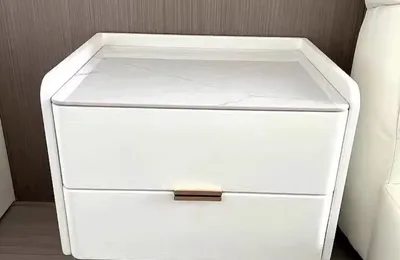
For Philippine rental units, the bedside table is handled by tenants, cleaning teams, installers and maintenance staff. A product that looks good on delivery may still create problems if parts are hard to replace or surfaces are hard to clean after turnover.
This is why a buyer planning hotel and condo bedside tables should ask about maintenance before confirming bulk delivery. The question is not only “will it arrive?” but “can it stay consistent across many rooms?”
Maintenance starts at installation
Each unit should be checked when installed: drawer movement, top surface, feet, alignment, LED or charging function if included, and carton damage record. This creates a baseline so later issues can be separated from delivery damage or daily use.
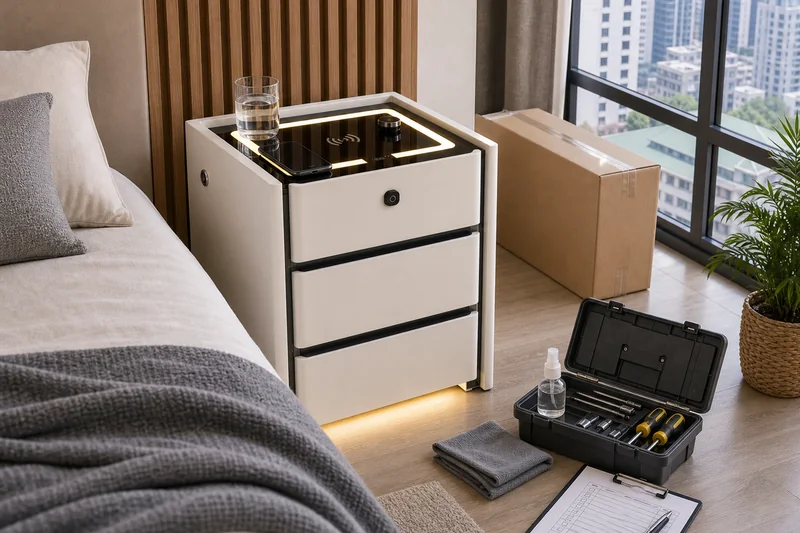
What to prepare after delivery
- A simple room-by-room installation checklist
- Spare feet, drawer runners, screws and handles for common fixes
- Cleaning guidance for glossy, painted or wood-look finishes
- A record of model code, finish code and carton label
- Photos of approved room setup for future replacement checks
For broader sourcing, the maintenance plan should connect with Philippines furniture wholesale decisions. If a supplier cannot repeat the same finish or small components, a rental operator may struggle after the first batch.
Humidity and daily cleaning also matter. A surface that reacts badly to ordinary wiping or a drawer gap that traps dust will require more attention from housekeeping. The finish should be selected for routine maintenance, not only first-day appearance.
Bulk delivery does not end the project
When the first shipment is installed, collect feedback from the team that actually handled the product. Were cartons easy to move? Did drawers need adjustment? Were any parts missing? These answers should guide the reorder.
If the buyer wants a branded rental or furnishing line, the same maintenance logic belongs in private label bedroom furniture planning: spare parts, care label, model code and support documents.
A good bedside table for Philippine rental units is one that looks consistent after delivery, can be cleaned quickly, and can be repaired without replacing the whole cabinet. That is what keeps the room programme manageable.
Create a handover record for every approved model
Bulk delivery is only the start of the operating cycle for a rental unit. The property team should retain a short record for the approved bedside table: model code, finish, drawer runner, handle, feet, carton reference and any charging or lighting component. With that record, a technician can identify a loose handle or damaged runner without relying on an old room photograph. It also makes it easier to decide whether a fault should be repaired locally, covered by a spare part or held for the next replacement order.
At handover, inspect a small sample of units after unpacking and again after they have been placed in the room. Note drawer movement, stability, visible edges and the condition of the top surface. These observations should be separated from later tenant damage. A clear baseline helps the buyer see whether a repeated issue comes from handling, cleaning practice, packaging or the product specification itself.
Plan replacement rules before the first service request
Rental operators do not need to store every possible component. They do need to know which high-use items are worth keeping, such as common feet, handles, runners or simple hardware packs. Finish-specific fronts and complete units can be tied to a planned replenishment route. This avoids both excessive spare inventory and the loss of visual consistency that comes from replacing a damaged cabinet with an unrelated model.
The best maintenance plan turns delivery feedback into a better repeat order. It keeps the room standard stable while giving the operator a practical way to handle ordinary wear.
Before a repeat shipment, the buyer can review the approved reference, receiving observations and service records together. This makes it possible to retain the parts that perform well and adjust only the carton, hardware or care information that has shown a real weakness in rental use.
Turn the delivery record into a maintenance reference
For Philippine rental units, the handover after a bulk delivery is the start of the furniture programme, not the end of the order. The operator needs to know which bedside table, finish, drawer runner, feet and carton version were installed in each room type. A simple photographed reference makes it possible to distinguish normal wear from transit damage, assembly damage or a missing part. Without it, a request for a replacement often starts with an approximate photo and can lead to a cabinet that is similar in size but visibly different in colour, hardware or storage layout.
Maintenance should focus on the parts most likely to be affected by regular turnover: drawer fronts, runners, feet, handles, cable routes and top surfaces. The aim is not to keep every component in a local storeroom. It is to identify which small items can be changed quickly and which should be requested with the next replenishment. If a loose foot, damaged runner or missing handle can be identified by a part number and photograph, the property can restore a unit without removing a complete bedside cabinet from service.
Use tenancy feedback to improve the next order
The first months of use provide useful evidence for the next purchase. Record whether cleaning marks are concentrated on one surface, whether drawers are difficult after repeated opening, whether cartons arrive with the same corner damage, and whether guests ask for more charging space or storage. These observations should be separated rather than grouped as a general furniture complaint. A packaging issue needs a different response from a finish issue, and an assembly question needs a different response from a service-part request.
- Keep a room photo, finish code and component reference with the handover record
- Classify issues as transit, cleaning, assembly, hardware or electrical-function concerns
- Hold only frequently needed, easily identified replacement parts locally
- Review the real cleaning routine on the approved finish before reordering
- Use turnover feedback to decide whether packaging, instructions or the product needs revision
A repeatable maintenance record protects the appearance of rental units and makes bulk furniture supply easier to manage. It gives the operator a practical route to repair or replace an item, while giving the buyer evidence for a more accurate next order instead of relying on assumptions made before the first tenants moved in.